

Autumn Towing Checklist for Caravans in Australia
Autumn is one of Australia’s best touring seasons, with crisp mornings and quieter roads ideal for caravans and trailers.
But changing conditions and heavier loads mean preparation matters more than ever. Completing a towing checklist prior to getting on the road is essential for safer travel.
Before your next trip, run through this practical autumn towing checklist to complete key caravan or trailer safety checks and tow with confidence this season.
At-a-glance autumn towing checklist
Before you tow this autumn, take a few minutes to:
- Check your electric trailer brakes are engaging and your brake controller is paired and functioning
- Inspect tyre condition and check pressures when tyres are cold for both tow vehicle and trailer
- Confirm trailer weights, tow ball weight and load distribution are within limits
- Test lights, plug connections and breakaway system
Why autumn towing requires extra preparation in Australia
Autumn brings cooler temperatures, shorter daylight hours and more wet-road driving. That means less grip, longer stopping distances and greater braking demand.
Even if you’ve travelled over summer, because of changing road conditions, it’s always worth running through a caravan safety checklist. A seasonal check helps prevent breakdowns, brake fade and instability. Running through basic trailer safety checks helps reduce breakdown risk and improve stopping confidence.
For drivers towing with electric vehicles, cooler temperatures and added aerodynamic drag can also affect range and braking performance. If you’re towing with an EV, it’s important to understand how load, battery efficiency and aerodynamics interact.
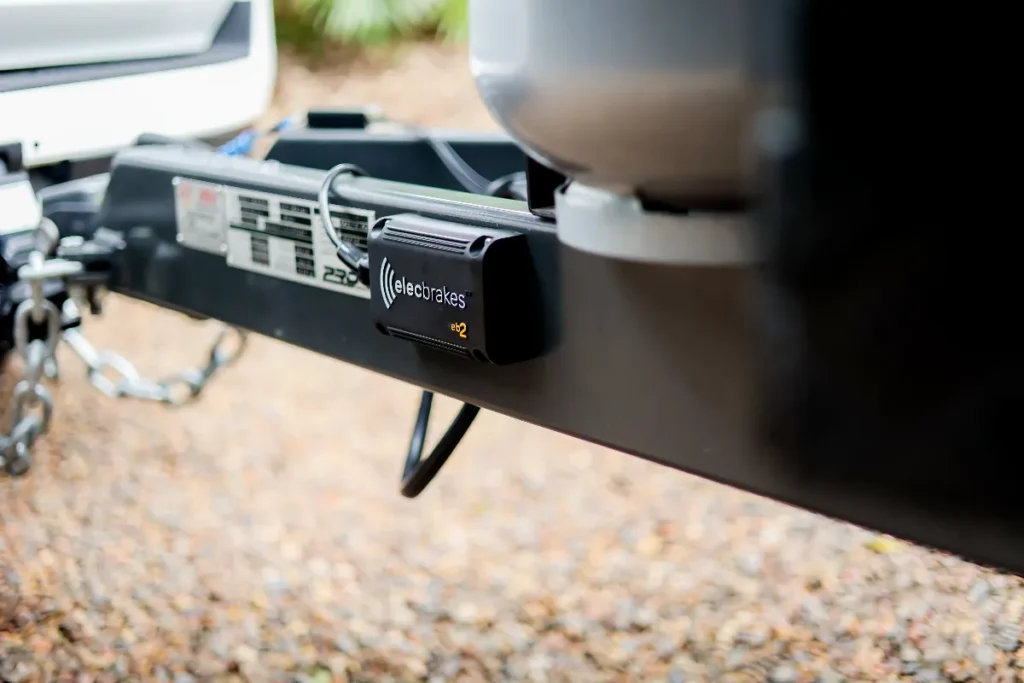
1. Check your electric trailer brakes are working
Your electric trailer brakes must engage every time you press the pedal.
Here’s how to check your trailer brakes:
- Have someone sit in the driver’s seat.
- Ask them to press and hold the brake pedal.
- Walk around your trailer and listen near each wheel. You should hear a faint humming sound from the brake drums. That hum confirms power is reaching the magnets.
If you can’t hear anything:
- Check your plug connection
- Check your brake controller app or display
- Inspect wiring for damage
2. Inspect brake response and controller settings
Brakes that are simply functional aren’t quite enough, you need to make sure they respond smoothly.
Before towing fully loaded, test your brake controller in a safe area. Apply the brakes gently at low speed and confirm the trailer slows in sync with the vehicle.
If you feel:
- The trailer pushing forward
- Jerky or aggressive braking
- Delayed response
Adjust your gain settings accordingly. And be sure to adjust settings for heavier loads, they may require slight increases in braking force. Always test safely before highway driving.
3. Check tyre condition and pressure – tow vehicle and trailer
Tyres are critical to trailer safety checks. Before you get on the road, inspect your tyres for:
- Cracks or sidewall damage
- Uneven wear
- Embedded debris
- Correct tread depth
Check pressures when tyres are cold as autumn temperature changes can affect readings.
Underinflated tyres increase sway risk. Overinflated tyres reduce grip in wet conditions. To stay in the sweet spot, inflate your tyres to the manufacturer’s recommended pressure for your load. Check your vehicle placard and trailer specifications, and adjust if you’re towing fully loaded.

4. Confirm trailer weights and load distribution
Incorrect weight balance is one of the leading causes of trailer sway because it reduces stability and shifts the trailer’s centre of gravity. When weight is too far back or unevenly distributed, the trailer is more likely to fishtail, especially in crosswinds or during braking.
Before travel:
- Confirm your trailer’s ATM and GTM (check the compliance plate)
- Avoid exceeding your vehicle’s towing capacity
- Keep heavy items low and centred over the axle
- Maintain appropriate tow ball weight
If unsure of your exact weight figures, confirm with a weighbridge before heading out.
5. Test lights, connections and plug points
If you haven’t used your caravan or trailer in a while, electrical issues can be more common. After storage or extended periods between trips, electrical connections are more prone to corrosion, loose fittings or flat batteries. Even minor issues can affect lights and brake performance.
Before leaving:
- Test brake lights
- Check indicators
- Confirm tail lights are functioning
- Inspect trailer plug pins for corrosion
- Ensure wiring is secure
Loose or corroded connections can affect brake performance.
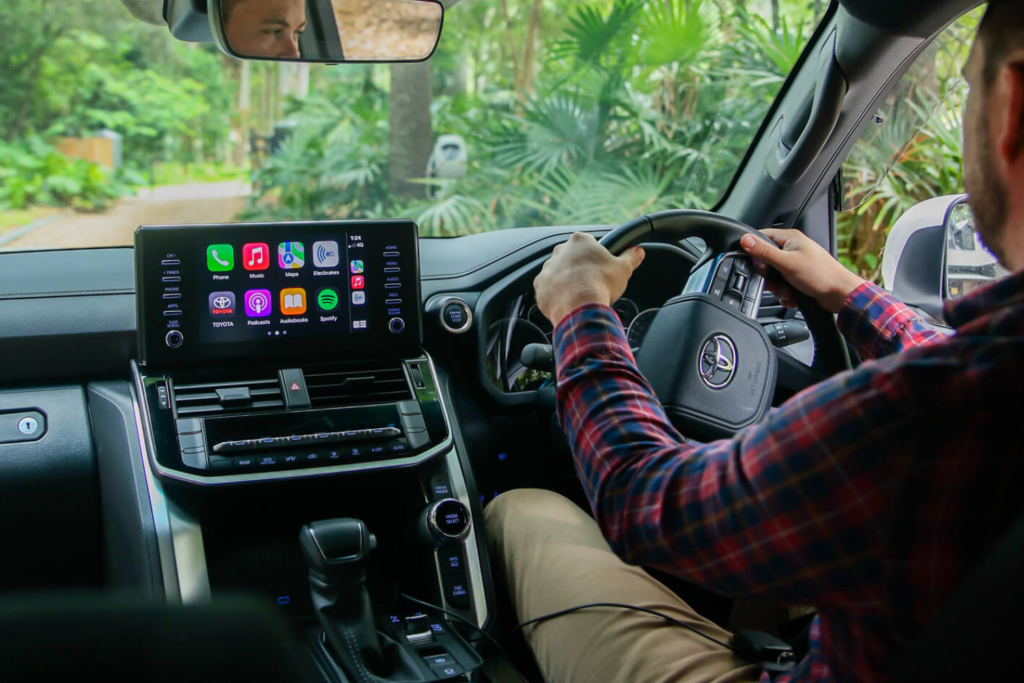
6. Check for trailer sway risks before you travel
Windy autumn conditions can increase instability.
Common causes of sway include:
- Wind gusts and passing trucks
- Incorrect weight distribution
- Inadequate tow ball weight
- Excessive speed
- Uneven or damaged roads
- Worn or underinflated tyres
Before you leave, confirm your load is balanced over the axle, check tyre pressures when cold, and ensure your tow ball weight falls within your vehicle’s recommended range. If possible, do a short, low-speed test drive to check for stable tracking before joining highways.
A properly adjusted brake controller supports smooth, controlled braking under changing road conditions. Elecbrake’s EB2 and VM1 brake controllers offer integrated SwayControl technology, automatically detecting instability and applying corrective braking before trailer sway escalates.
Quick 5-minute pre-departure walkaround checklist
Here’s a quick run down of the essential trailer or caravan safety checks to complete before you leave:
- Inspect your car socket and trailer plug
- Safety chains attached correctly
- Breakaway cable connected and battery charged
- Tyres visually checked
- Load secured
- Brake controller connected and responsive
Taking a moment before you get on the road to check these critical areas can help ensure a safer, smoother journey, reducing your risk of breakdowns, instability and costly roadside issues.
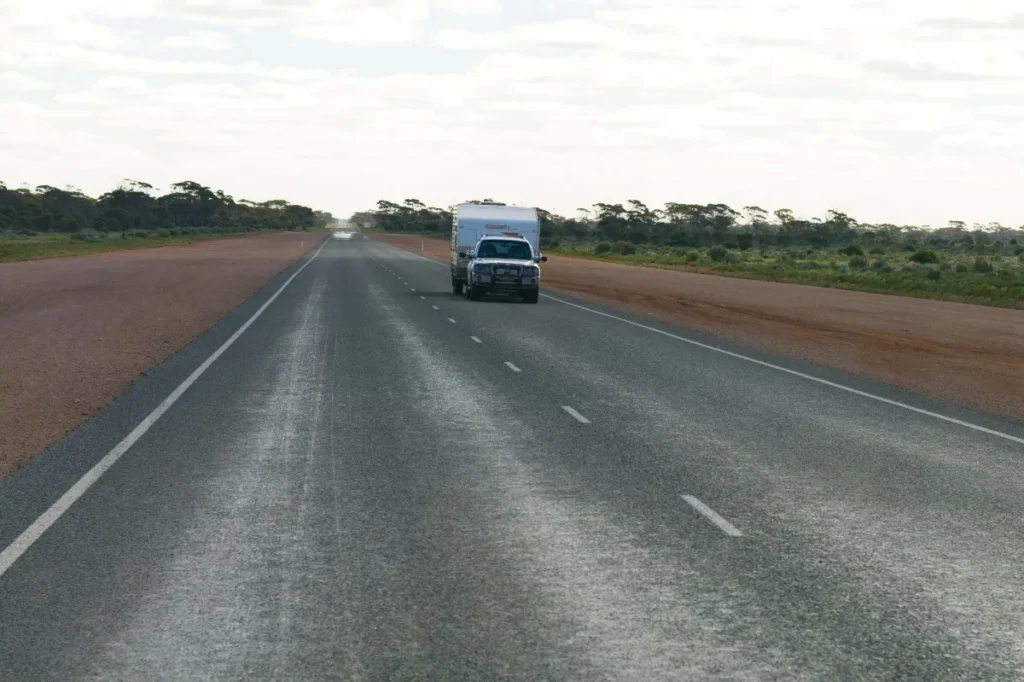
Explore more of Australia this autumn
Autumn is one of the most rewarding times to tow around Australia. Cooler air, quieter roads and changing landscapes make it ideal for longer regional trips and relaxed camp setups.
With a thorough autumn towing checklist completed, you can travel knowing your brakes, tyres and load setup are working as they should. That confidence lets you spend less time thinking about your gear and more time on the road ahead.
With the right preparation behind you, you’re free to focus on adventure.
Frequently asked questions
What should you check before towing this autumn?
Check brakes, tyres, weights, lights, connections and load distribution. Confirm your brake controller is connected and properly adjusted.
How do I know if my electric trailer brakes are working?
Have someone press the brake pedal while you walk around the trailer. Listen for a humming sound from each wheel.
Why can’t I hear my trailer brakes engaging?
It may indicate a wiring issue, poor plug connection or controller fault. Inspect connections first and seek professional advice if unsure.
How often should you check caravan brakes?
Before every major trip and at regular service intervals. More often if towing frequently or in wet conditions.
Do electric trailer brakes work in the rain?
Yes. Electric brakes operate electrically, but wet conditions increase stopping distance, so smooth braking is essential.
How do you test a brake controller before a trip?
In a safe area, apply the brakes at low speed and confirm smooth, proportional trailer response. Adjust gain if necessary.
What causes trailer sway in windy conditions?
Wind gusts and passing trucks can push trailers sideways, especially when weight distribution is incorrect, tow ball weight is inadequate, tyres are worn or underinflated, or speeds are too high.
Do I need to adjust brake controller settings when fully loaded?
Often yes. Heavier loads may require higher braking force. Make adjustments carefully and test safely before highway travel.
What is included in an autumn towing checklist?
An autumn towing checklist should include checking electric trailer brakes, tyre condition and pressure, trailer weights, load distribution, lights, wiring connections and sway risks before travel.